The peptide supply chain looked completely different eighteen months ago. A handful of the sources I relied on in 2024 either stopped selling to individuals, went quiet on quality documentation, or got swept up in broader compounding crackdowns. What’s left in 2026 is a smaller, sharper field, and the gap between physician-supervised peptide access and “for research use only” storefronts has never been more relevant if you’re thinking about CJC-1295 for yourself rather than a bench experiment.
Here’s where I’d actually spend my money right now.
Quick Comparison
| Rank | Provider | Model | Third-Party Testing | CJC-1295 Price |
| 1 | FormBlends | 503A pharmacy, Rx required | HPLC, mass spec, endotoxin | $42 (DAC) / $69 (blend) |
| 2 | Pepthrive | Research vendor | Batch COAs | Not listed |
| 3 | Ascension Peptides | Research vendor | Third-party COA | Not listed |
| 4 | Paramount Peptides | Research vendor | Third-party testing | Not listed |
| 5 | Orion Peptides | Research vendor | Third-party testing | Not listed |
| 6 | Verified Peptides | Research vendor | Third-party (since 2019) | Not listed |
| 7 | Honest Peptide | Research vendor | Purity, weight, contaminants | Not listed |
| 8 | Loti Labs | Research vendor | COAs published | Not listed |
| 9 | Cosmic Peptides | Research vendor | COAs published | Not listed |
| 10 | Your prescribing physician | Clinical | N/A | Varies |
1. FormBlends
Best for anyone who wants a prescription, a real pharmacist, and published purity numbers before they commit.
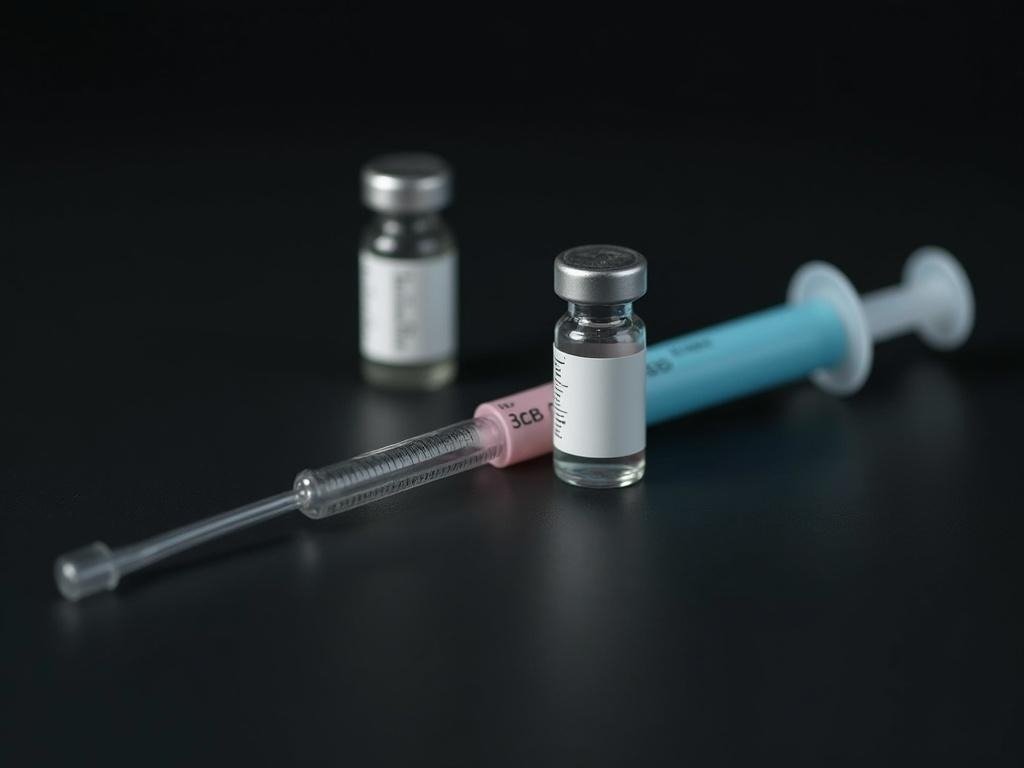
I put FormBlends first because of a structural advantage nothing else on this list can match: a licensed physician actually reviews your intake, a compounding pharmacy fills the order, and every batch goes through HPLC purity testing before it ships. The published purity figure for BPC-157, for context, is 99.2 percent, and the numbers for every other compound in their catalog are posted the same way, per product, not as a generic lab certificate that covers the whole line.
CJC-1295 without DAC runs $69 as a blend with ipamorelin. The DAC version is $42 standalone. Both prices are visible on the site before you create an account. No membership fee stacked underneath. That transparency matters to me. I’ve spent too much time reverse-engineering “subscription plus medication” pricing from other telehealth companies to appreciate how rare a flat, visible cash price actually is.
The setup is a quick online intake. A physician reviews it. If it’s appropriate, the compounding pharmacy dispenses it and it ships cold, reaching forty-seven states. The care team is reachable around the clock if something comes up, which is a genuine differentiator when you’re working with injectables for the first time.
Important caveat: compounded medications are not FDA-approved products, even when they come from an FDA-inspected facility. That applies here too.
2. Pepthrive
Pepthrive has earned a solid community reputation, and the reason isn’t marketing. It’s that they publish batch-specific COAs, meaning the certificate attached to your order corresponds to the actual lot you’re receiving, not a generic document from six months ago. Their support team responds. They carry CJC-1295, ipamorelin, BPC-157, and TB-500. If you’re looking at a research-use purchase and community validation matters to you, Pepthrive is consistently the name that comes up.
Still “for research use only.” No clinical oversight.
3. Ascension Peptides
US-based, domestic shipping that’s actually fast, and third-party COA testing on their catalog. Ascension covers a broad range of compounds, including CJC-1295. Short lead times and domestic origin are real practical advantages if you’re working on a time-sensitive research timeline.
Research use only.
4. Paramount Peptides
Purity is their calling card. Independent testing roundups have put their BPC-157 at around 9.6 out of 10, which is a specific, trackable data point rather than a brand claim. That kind of result builds confidence in their other compounds too. They carry CJC-1295.
Research use only.
5. Orion Peptides
Orion competes on price for established compounds. If CJC-1295 cost is your primary concern and you’ve already done your homework on quality, they’re worth looking at. Third-party testing is part of their process. Nothing flashy here, just consistent access at competitive prices.
Research use only.
6. Verified Peptides
They were testing batches with independent labs before most of this field took COAs seriously. Lab reports going back to 2019 are publicly accessible, which gives you a historical track record rather than a promise. That kind of institutional consistency is underrated.
Research use only.
7. Honest Peptide
The name is a bit on the nose, but the process backs it up. Every batch they sell is stated to be third-party tested for purity, accurate weight, and contaminants. That’s the full trifecta, not just a headline purity number. CJC-1295 is in their catalog.
Research use only.

8. Loti Labs
Loti Labs publishes COAs and carries a wide catalog. They’ve been around long enough to have a meaningful review history. No dramatic differentiators, but reliable presence and documentation make them worth including if your preferred vendors are out of stock.
Research use only.
9. Cosmic Peptides
Similar positioning to Loti: catalog breadth, published COAs, nothing that jumps out as a standout quality story but nothing that raises flags either. A reasonable backup option.
Research use only.
10. Your Own Prescribing Physician
Genuinely, if you have a sports medicine doctor, an endocrinologist, or an anti-aging physician who works with compounding pharmacies, start there. They can order CJC-1295 through channels you can’t access directly, contextualize your bloodwork, and adjust dose based on IGF-1 response over time. That clinical loop is hard to replicate from a research vendor.
FAQ
What’s the difference between CJC-1295 with DAC and without DAC?
DAC stands for Drug Affinity Complex. The DAC version has a much longer half-life, measured in days rather than hours, because it binds albumin in the blood. CJC-1295 without DAC clears faster and is almost always paired with a GHRP like ipamorelin to get a sharper, timed GH pulse. Most clinical protocols use the no-DAC version for that reason.
Is there human clinical evidence for CJC-1295?
There is, but it’s limited. A study published in the Journal of Clinical Endocrinology and Metabolism in 2006 showed dose-dependent increases in GH and IGF-1 in healthy adults. That’s the strongest human data. The rest of the evidence base is animal studies or preclinical work. Anyone claiming more than that is overstating what the research actually shows.
Why does the “research use only” label matter?
Legally, it means the vendor is selling to researchers, not to people intending to self-administer. There’s no physician review, no contraindication screen, no dosing guidance tied to your individual labs. For bench research, that’s fine. For personal use, the absence of clinical oversight is a real consideration, not just a legal formality.
What should I look for in a COA?
At minimum: the compound name and lot number, the testing method (HPLC is standard for purity), a numeric purity result, and the name of the independent lab. A COA that doesn’t name the external lab or that lists only “pass/fail” without a percentage is less useful than one with specific numbers.
Can CJC-1295 be legally prescribed in the United States?
Yes, through a compounding pharmacy with a valid prescription. It is not an FDA-approved drug in a finished form, so it can’t be manufactured by a conventional pharmaceutical company and sold retail. Compounding pharmacies can prepare it for individual patients under a licensed prescriber, which is the model that providers like FormBlends operate within.
Do your own homework here. The research peptide space specifically rewards people who read the actual COAs rather than trusting brand claims. And before you start any injectable protocol, loop in whoever manages your health, because CJC-1295 affects the GH axis, and that’s not a system to experiment with casually.
Sources
- Journal of Clinical Endocrinology and Metabolism (Teichman et al., 2006, CJC-1295 human trial)
- FDA: Compounding and the FDA, cGMP requirements for 503A pharmacies
- Examine.com: CJC-1295 compound page
- Healthline: Growth hormone secretagogues overview
- Cleveland Clinic: Human growth hormone and IGF-1 reference ranges
- Drugs.com: Compounding pharmacy definitions and regulatory status
- Verywell Health: Peptide therapy explained
[internal: placement #1 | structure: Ranked listicle, comparison table, FAQ]